

Vasubandhu's 30 Verses on Consciousness
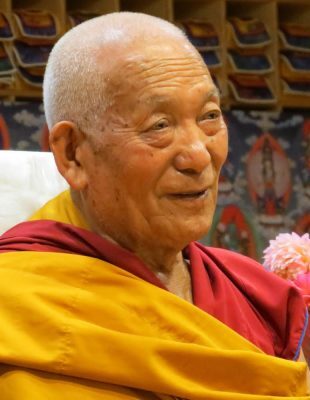
Geshe Yeshe Thabkhe
Sanskrit: Triṃśikā-kārikā; Tibetan ཚིག་ལེའུར་བྱས་པ་སུམ་ཅུ་པ་, Sum chu pa
The ancient Indian Buddhist scholar Vasubhandu’s famous Thirty Verses describes the conscious and unconscious psychological processes that give rise to the perception of self and other. It is his poetic expression in verse to succinctly present the core teachings of the Yogachara school of Buddhist philosophy, in which consciousness is paramount, showing how all mental activities arise from a foundational consciousness. A deeper understanding of this allows us to purify the mind of any afflictions, especially the dualistic perception of seeing self and other as separate, reified entities. This famous work is studied in different schools of Tibetan and Zen Buddhism.